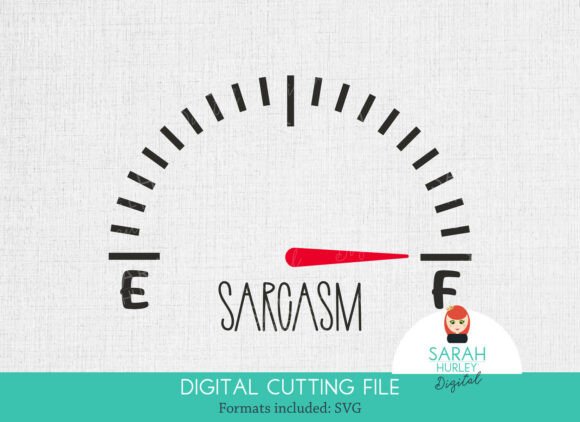
Sarcasm Meter: A Sharp Design for Crafty Use
As a designer who’s spent years working with machine embroidery designs, I’ve seen my fair share of clever and quirky graphics. Sarcasm Meter stands out as a design that’s not only visually engaging but also highly functional for a range of creative projects. Its blend of humor and simplicity makes it a versatile addition to any craft business or handmade product line.
The First Impression: A Design That Speaks Volumes
From the moment I laid eyes on Sarcasm Meter, I could tell it was crafted with intention. The design features a bold, stylized meter that conveys a sense of wit and irony. The layout is clean, with just enough detail to make it stand out without overwhelming the viewer. It’s the kind of design that feels at home on a tote bag, a sweatshirt, or even a personalized gift item.
The visual personality of Sarcasm Meter is sharp and modern. It doesn’t try too hard to be funny, which is a refreshing change from some over-the-top designs. Instead, it relies on its clever concept and simple execution to make an impact. This makes it ideal for custom apparel, especially in casual or lifestyle-oriented markets.
Real-World Embroidery Use: Where It Shines
I tested Sarcasm Meter on a variety of fabrics and project types, and it performed consistently well. On a cotton tote bag, it looked great with a medium stitch density and a neutral thread color. For a sweatshirt, I used a slightly denser fill stitch to ensure the design stood out against the fabric. In both cases, the design maintained its clarity and charm.
For baby items, like a onesie or a nursery wall hanging, I found that using a lighter stitch density helped preserve the softness of the fabric while still making the design visible. It worked well as an embroidered patch on a denim jacket, where the contrast between the design and the fabric added a nice touch of personality.
When used on a cap or a hat, the design held up well, though I had to be careful with the hoop size to avoid distorting the corners. It also made a great addition to a kitchen towel or a tea towel, where the humor of the design added a fun element to everyday use.
Where to Be Cautious: Design Limitations
While Sarcasm Meter is a strong design, there are certain situations where it might not perform as well. On small hoop sizes, the details can become a bit lost, so it’s best to avoid using it on items like buttons or small patches. Textured fabrics, such as fleece or knits, can sometimes cause the design to look less crisp, depending on the stabilizer used.
On dark fabrics, the design may not show up as clearly unless you use a contrasting thread color. Thin or stretchy fabrics can also pose challenges, requiring extra stabilizer to prevent puckering or distortion. For layered garments, like a hoodie with a lining, the design should be placed carefully to avoid being hidden by the inner layer.
When working with curved surfaces, such as caps or hats, it’s important to test the design first. The corners of the meter may not lie flat as expected, so adjusting the hoop placement or using a different stitching technique can help improve the outcome.
Impact on Visual Appeal and Customer Perception
Sarcasm Meter has a unique ability to catch the eye and spark conversation. It adds a touch of personality to any product, making it more memorable for customers. Whether it’s on a tote bag, a mug, or a personalized gift, the design elevates the overall aesthetic and gives the finished product a more polished look.
From a business perspective, this design can increase customer engagement. People love something that makes them smile, and a design like Sarcasm Meter can create a stronger emotional connection with buyers. It also helps build brand consistency, especially if your shop or business has a humorous or witty tone.
For handmade products, the design adds value by making each item feel more thoughtful and intentional. It’s a great way to differentiate your offerings in a crowded market, whether you’re selling on Etsy, at a craft fair, or running a small shop.
Practical Designer Notes: Tips for Success
Before using Sarcasm Meter in any project, I always recommend testing it on scrap fabric. This allows you to see how the design looks in real conditions and make any necessary adjustments. Checking thread color contrast is also important—especially if you’re using it on dark or light backgrounds.
Reviewing the stitch density is another key step. If the design is too dense, it may cause the fabric to pucker or the threads to break. Confirming the hoop size ensures that the design fits properly and maintains its shape during the embroidery process.
Inspecting small details, like the corners of the meter, is essential. Even minor imperfections can affect the overall appearance of the finished product. Testing the design in black and white mockups can help you visualize how it will look on different fabric colors.
Using the right stabilizer is crucial, especially for delicate or stretchy fabrics. It helps keep the design in place and prevents distortion. Also, make sure the design works for both personal and commercial projects, and always confirm the licensing terms before selling finished items or digital products.
Final Thoughts: A Design Worth Adding to Your Collection
Sarcasm Meter is more than just a funny graphic—it’s a practical and adaptable design that can enhance a wide range of embroidery projects. Whether you’re an Etsy seller, a craft business owner, or a hobbyist, this design offers a fresh and engaging way to add personality to your work.
With the right approach, Sarcasm Meter can become a staple in your design library, helping you create standout products that resonate with customers. It’s a great example of how a simple concept, when executed well, can have a big impact in the world of embroidery and crafts.