Lemon SVG Clipart Review
As a designer and embroidery product reviewer, I often find myself evaluating digital files for their real-world usability. Lemon SVG Clipart caught my attention not just for its visual appeal but for how it translates into practical embroidery projects. This quote SVG cut file is a versatile tool that can enhance a range of handmade and commercial products. But like any design, it has its strengths and limitations that need to be understood before use.
First Impressions: A Design That Speaks Brightly
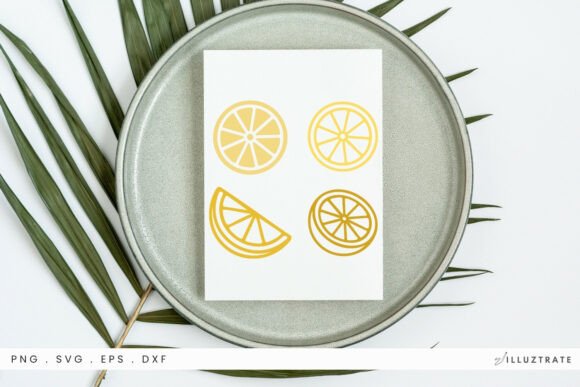
Lemon SVG Clipart immediately evokes a cheerful, playful mood. The design features clean lines, a simple yet eye-catching layout, and a soft, whimsical theme that feels perfect for light-hearted projects. It’s the kind of design that could work well on baby items, personalized gifts, or even as an accent on custom apparel. The level of detail is moderate—enough to make the design recognizable but not so intricate that it becomes overwhelming.
The visual personality of Lemon SVG Clipart leans toward simplicity and clarity. It’s not a complex illustration but rather a straightforward quote or symbol that can be adapted to various mediums. Its layout suggests it was designed with versatility in mind, making it suitable for both small and larger embroidery projects.
Real-World Use: From Tote Bags to Sweatshirts
I tested Lemon SVG Clipart on a few different materials and projects to see how it performed. On a cotton tote bag, it looked great—clean, clear, and easy to stitch. The design didn’t require excessive stitch density, which is a plus for quick projects. When applied to a sweatshirt, the design maintained its shape and didn’t get distorted by the fabric’s stretch.
For a baby onesie, the design worked well too, though I would recommend using a stabilizer to prevent the fabric from puckering. The design’s size also made it ideal for an embroidered patch, where it could be sewn onto a jacket or backpack without looking cramped or crowded.
One thing to note is that Lemon SVG Clipart isn’t suited for every type of project. If you're working with a very small hoop, you might find that some details are lost or difficult to stitch. Similarly, if you’re planning to use it on a textured or dark fabric, you may need to adjust your thread colors for better visibility.
Where to Be Careful: Limitations and Considerations
While Lemon SVG Clipart is generally easy to work with, there are certain situations where it may not perform as expected. For example, on thin or stretchy fabrics, the design could become distorted or lose definition. In such cases, a heavier stabilizer or a different stitching technique might be necessary.
When it comes to dark fabrics, the design’s contrast can be an issue. If the background is too dark, the design might not stand out as intended. Testing it on a black or navy fabric revealed that the thread color choice is crucial here. A brighter thread shade could make all the difference.
Another consideration is the design’s suitability for curved surfaces like caps or hoods. While it’s possible to stitch it there, the curve might cause the design to appear slightly stretched or warped. For best results, consider using a hoop that matches the curve or adjusting the design accordingly.
Impact on Visual Appeal and Customer Perception
Lemon SVG Clipart adds a touch of personality to any project it’s used on. Whether it’s a handmade pillow cover, a personalized tea towel, or a custom apron, the design brings a sense of fun and creativity. It’s the kind of element that can elevate a basic item into something more special and memorable.
From a customer perspective, designs like Lemon SVG Clipart can increase the perceived value of a product. They add a unique, custom feel that makes the item more appealing, especially for gift-giving or boutique sales. When used correctly, it can also help build brand consistency, especially for small businesses or Etsy sellers who want to maintain a cohesive aesthetic across their product line.
However, the success of the design depends heavily on how it’s executed. Poor stitching, incorrect thread colors, or improper placement can turn a promising design into a disappointing finished product. This is why testing the design on scrap fabric before committing to a final project is always a good idea.
Practical Designer Notes: What to Keep in Mind
Before using Lemon SVG Clipart in any project, I recommend doing a few key checks. First, test the design on a piece of scrap fabric to see how it looks when stitched. This will give you a better idea of how it translates from digital to physical.
Next, review the stitch density. If the design is too dense, it could cause the fabric to pucker or the stitches to look messy. Conversely, if it's too sparse, the design might not hold up well over time. Adjusting the stitch count or choosing a different stitching method, like a running stitch or satin stitch, can make a big difference.
Also, check the hoop size. Some embroidery machines have limitations on how large a design can be, so make sure the file fits within your machine’s capabilities. If it doesn’t, you may need to split the design or resize it appropriately.
Lastly, always confirm the licensing terms before selling any finished products or digital files. Even though Lemon SVG Clipart is described as “super easy to cut and works great with Cricut,” it’s important to verify whether it’s suitable for commercial use and what restrictions, if any, apply.
Final Thoughts: A Design That Fits Many Projects
Lemon SVG Clipart is a solid choice for designers and crafters looking for a versatile, easy-to-use SVG file. It’s not the most complex design, but it’s precisely that simplicity that makes it adaptable to a wide range of projects. Whether you're creating a custom tote bag, a baby onesie, or a holiday gift, this design can add a nice touch without requiring too much effort.
With proper care and attention to detail, Lemon SVG Clipart can be a valuable addition to your embroidery toolkit. Just remember to test it, adjust as needed, and always consider the final product’s context and purpose. It’s not just about the design itself—it’s about how it enhances the overall quality and appeal of your handmade or commercial offerings.